A blend of heroic aspirations and seasonal bounty Fukuoka’s Children’s Day
What is the Boys' Festival?
 An early summer event to pray for the healthy growth of boys
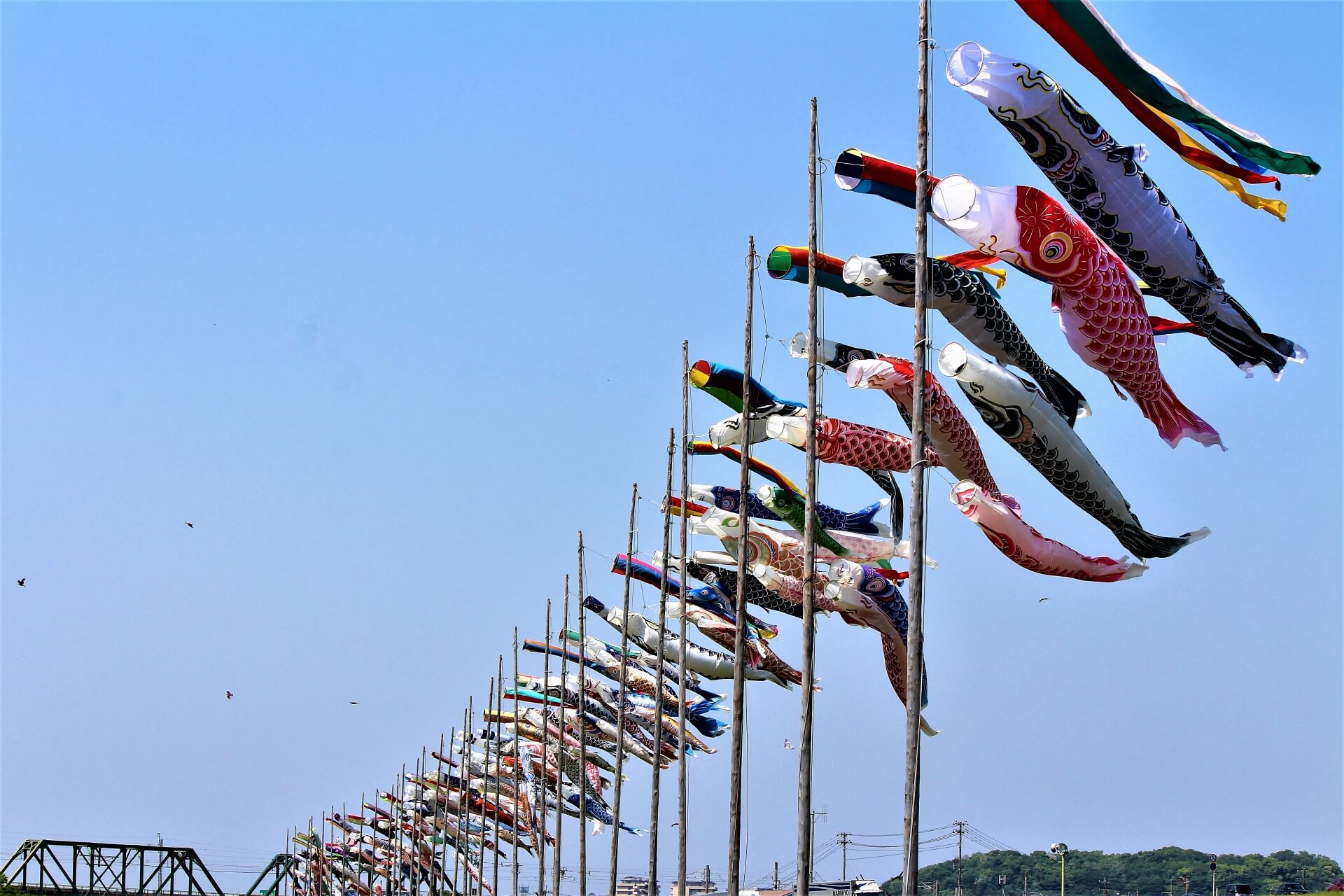
Tango no Sekku is a traditional Japanese annual event held every year on May 5th . It has long been cherished as a day for families to celebrate by displaying May dolls and carp streamers, praying for the healthy growth and future success of boys. During this time of year, when the refreshing breezes of early summer blow, vibrant carp streamers flutter in the streets and gardens of Fukuoka, signaling the changing of the seasons. Historically known as the “Iris Festival,” it also has a ceremonial aspect involving the use of the strong scent of irises to ward off evil spirits.
 The Spirit of the Samurai and the Culture of Prayer
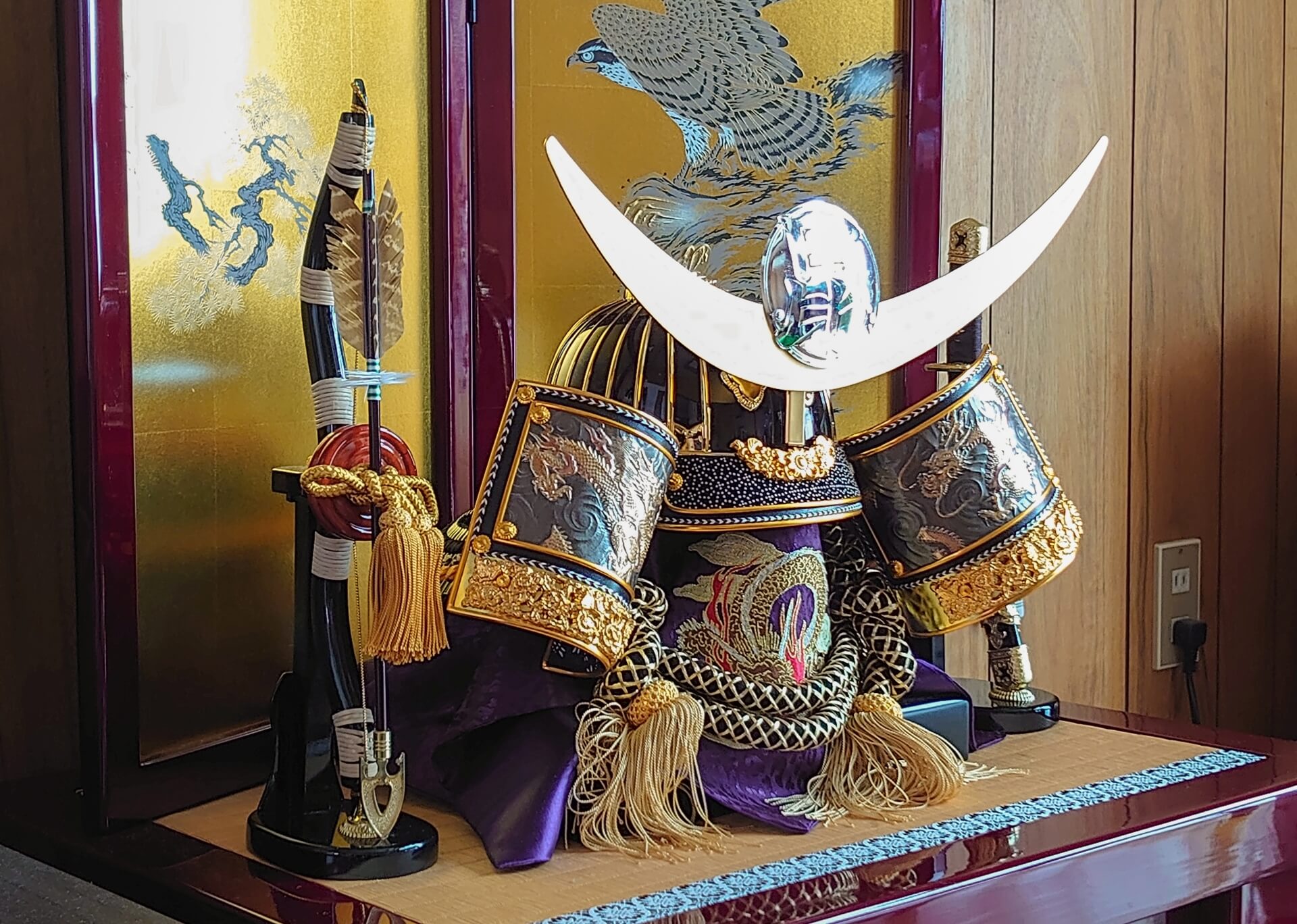
The origins of the Boys’ Festival lie in ancient Chinese customs designed to ward off misfortune, but in Japan, it developed primarily within samurai society from the Kamakura period onward. “Iris”“Iris” is associated with “Shobū” (veneration of martial arts), which is why it became a special day to celebrate the growth of boys. In Fukuoka Prefecture as well, a culture of displaying majestic helmets and warrior dolls has been carefully preserved, particularly in former castle towns and post towns. The wishes embodied in these dolls have remained unchanged throughout the ages; they are, in essence, prayers to protect the children’s bright future.
 Customs of the Boys' Festival
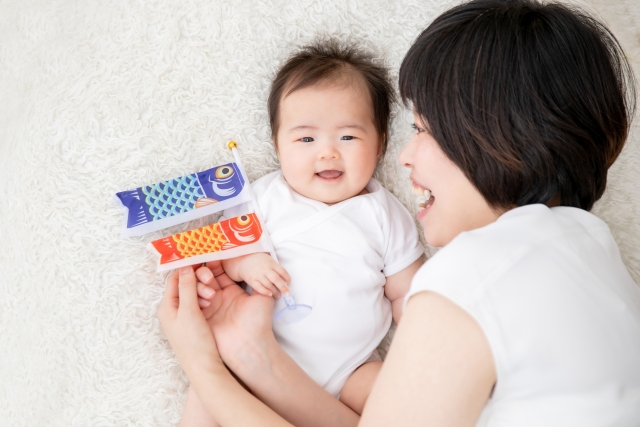
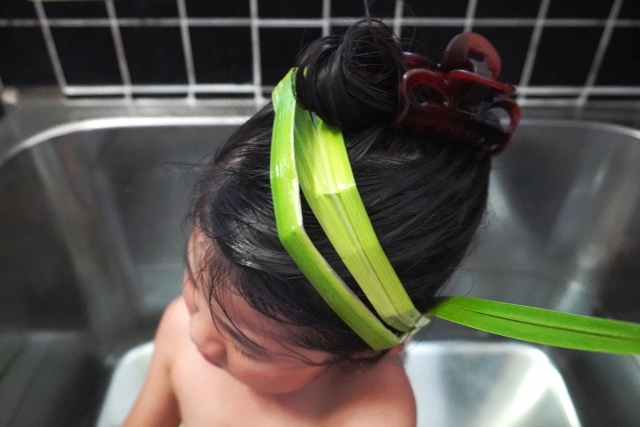
During the Boys' Day festival in Fukuoka, people celebrate by displaying helmets and May dolls indoors and raising carp streamers outdoors. It is also an essential custom to bathe in iris-infused water to pray for good health and freedom from illness. In particular, at shrines throughout Fukuoka, “First Boys’ Day” ceremonies are held for children celebrating this occasion, praying for their healthy growth, and a warm tradition of the entire community watching over them has taken root.
Customs unique to Fukuoka
The Vibrancy of Hakata and the Hope It Holds for the “Yamakasa”
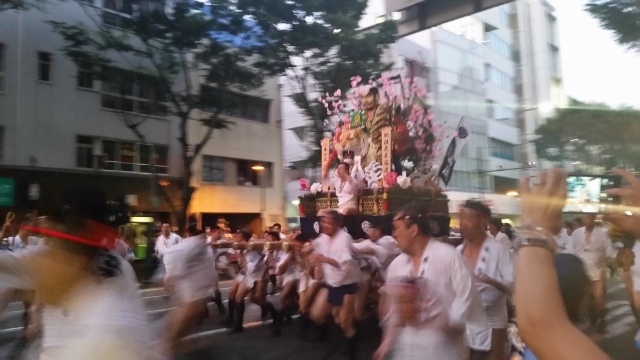
In Fukuoka, and especially in the city of Hakata, as the Boy’s Day festival approaches and early summer arrives, the footsteps of the “Hakata Gion Yamakasa” begin to be heard. During this time, families with sons still strongly uphold the custom of displaying brave warrior dolls, imbued with the wish that their sons will grow up to become proud members of the “Yamakasa” procession. The Boys’ Festival is not merely a seasonal event; for the people of Hakata, it is a special milestone marking their hope that their children will grow up to carry on the traditional culture of which the region is so proud.
Our unique kashiwa-mochi wrapped in “sartori-ibara”
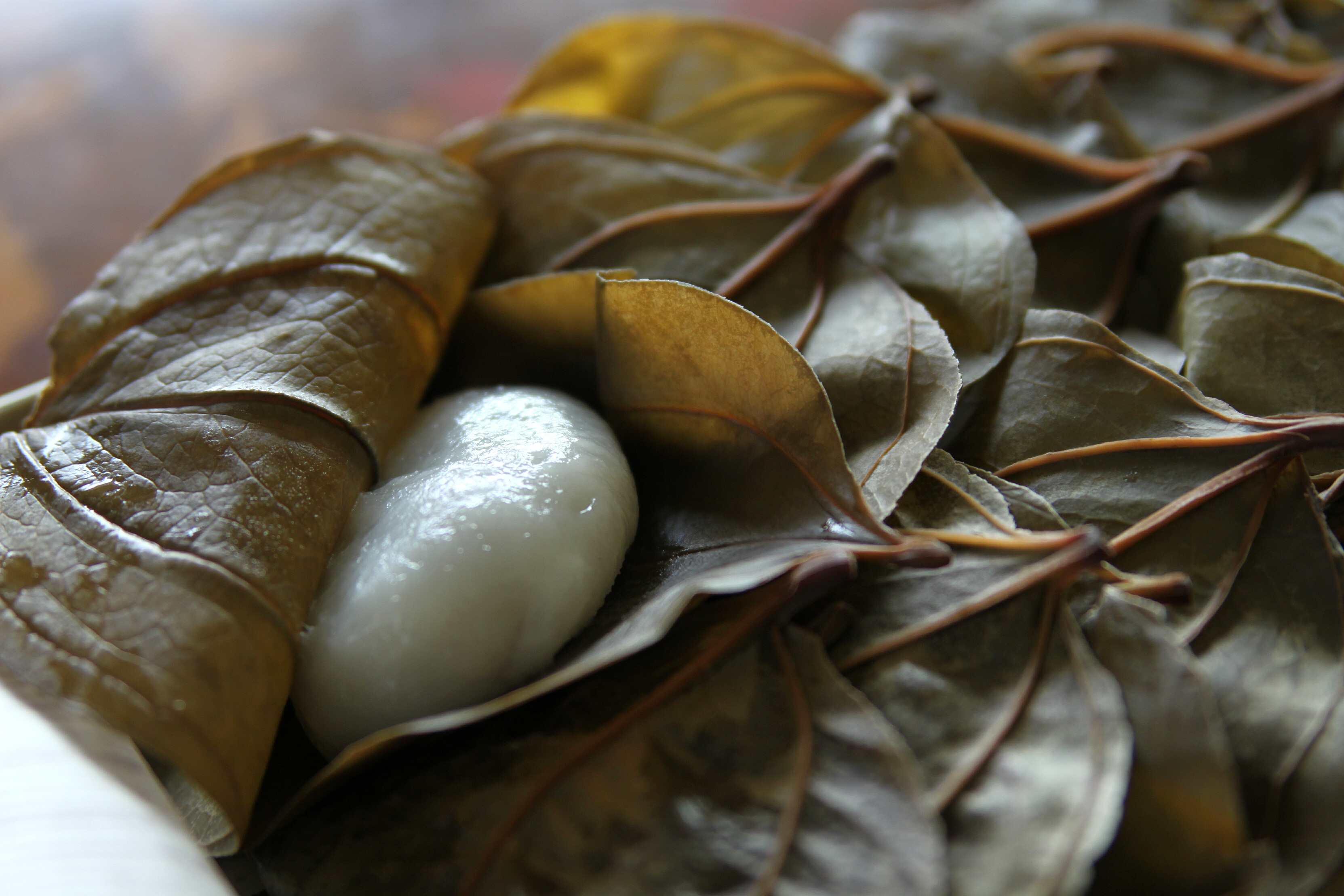
In northern Kyushu, including Fukuoka, due to the historical difficulty of growing Japanese cypress trees in the region, the custom of wrapping rice cakes in “Sartoriibara” leaves (known locally as ‘Sankira’ or “Kashiwappa”) instead of Japanese cypress leaves has become the norm. These rice cakes, sandwiched between round leaves, are a nostalgic sight that symbolizes the “Boys' Festival” for the people of Fukuoka. Additionally, the traditional “chimaki”—with its distinctive triangular shape—is cherished as a good-luck charm for health and well-being, and is still carefully preserved today in Fukuoka's traditional confectionery shops and households.
Traditional Foods for the Boys' Festival
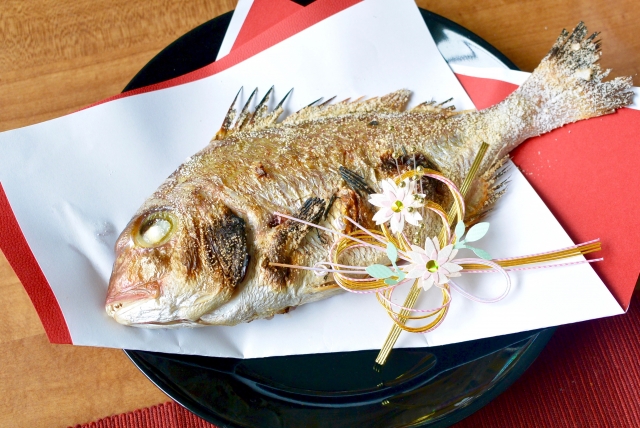
On the dining tables of Fukuoka during the Boys’ Day festival, seasonal seafood is displayed in all its glory. In particular, dishes featuring yellowtail—known as a “fish of advancement”—and sea bream—whose name is a homophone for “auspicious”—are indispensable at gatherings celebrating the future of young boys.
“Seasonal Fish from the Genkai Sea” for Good Luck
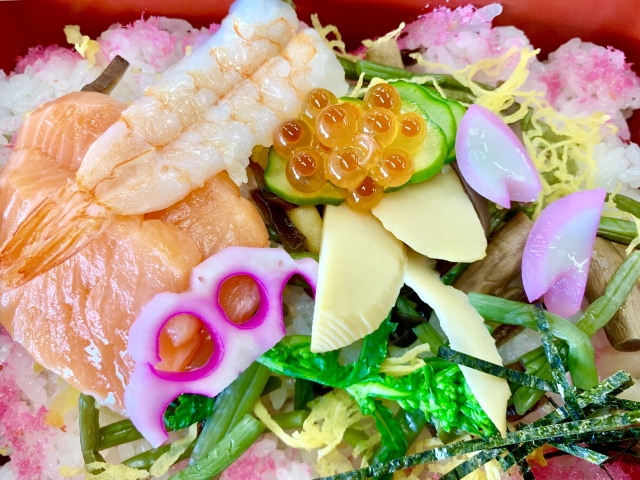
Fukuoka is one of Japan’s premier fishing regions. During the Boys’ Day festival, meals are graced with dishes such as whole, freshly grilled sea bream and clear soup made with seasonal clams. Additionally, “chirashi sushi”—a favorite among children—is generously topped with auspicious ingredients like shrimp (symbolizing longevity) and lotus root (symbolizing a clear future).
Savor the bounty of early summer
At this time of year, Fukuoka’s farmers’ markets and local markets are filled with an abundance of mountain vegetables such as bamboo shoots and butterbur. Bamboo shoots, which grow tall and straight, are considered a symbol of good fortune representing children’s growth and are often used in simmered dishes and rice cooked with vegetables. Fukuoka’s Children’s Day is a time to appreciate the seasons through food and deepen family bonds. As seen in Yanagawa’s “Sagemon” and Hakata’s “Yamakasa,” the people of Fukuoka cherish their long-standing traditions and pass on their hopes for the future to the next generation.