
Make a Wish upon the Stars, Savor Seasonal Bounties
Tanabata in Fukuoka
What is Tanabata?
 A Traditional Summer Event to Entrust Wishes to the Stars
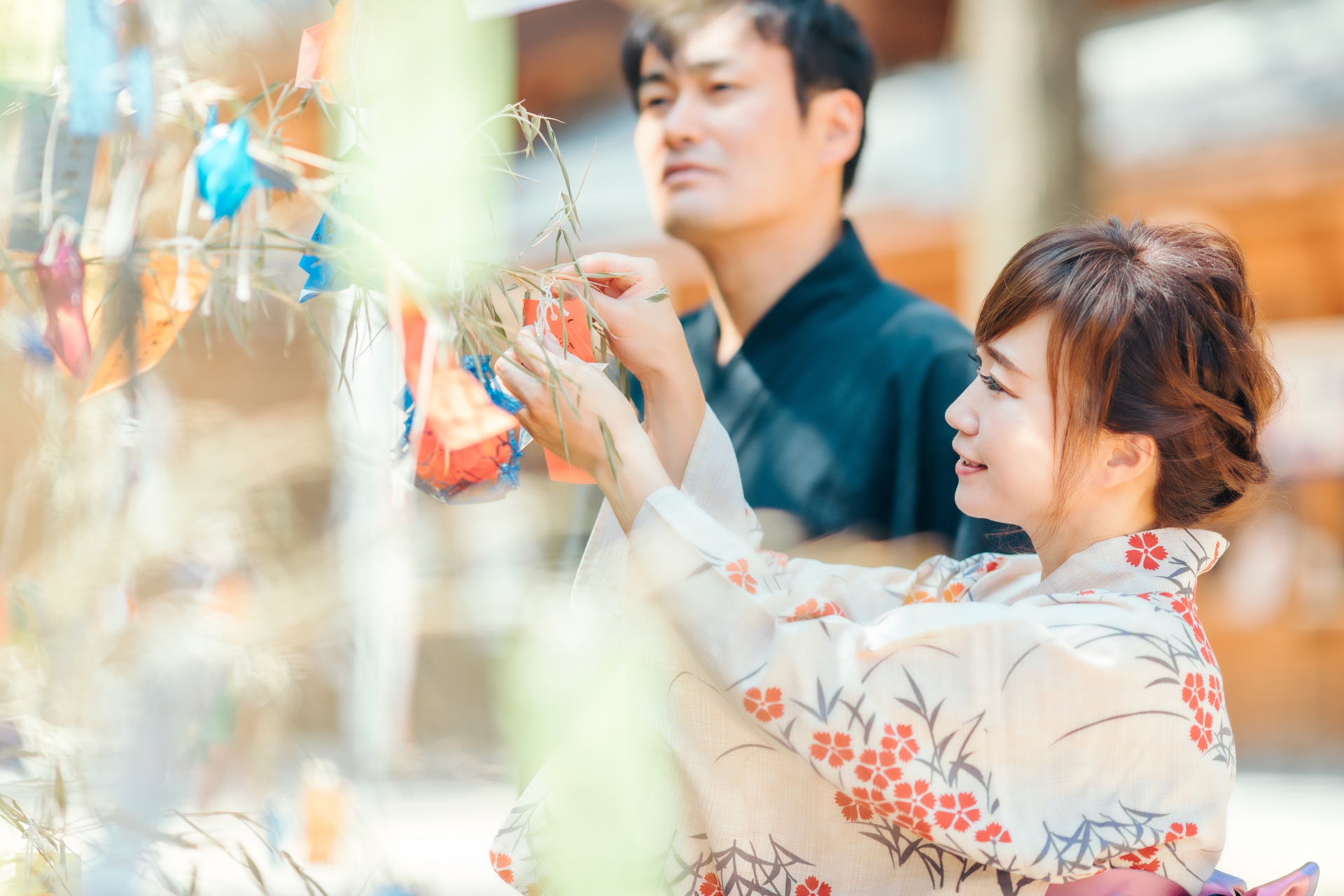
Tanabata is a traditional Japanese annual event celebrated on July 7th. Inspired by the legend of Orihime (the Weaver Star) and Hikoboshi (the Cowherd Star), who are allowed to meet across the Milky Way just once a year, it has long been celebrated as a custom where people write their wishes on colorful paper strips called "tanzaku" and hang them on bamboo branches.
Entrusting wishes to the stars shining in the night sky, Tanabata is also known as the "Star Festival" and is a popular aspect of Japanese culture for international travelers.
Around this time, as the rainy season ends, vibrant Tanabata decorations sway throughout the streets, shopping districts, and coastal towns of Fukuoka, bringing the beautiful arrival of a classic Japanese summer.
 An Event to Pray for the Improvement of Arts and a Bountiful Harvest
Since ancient times, Tanabata has been observed as an occasion to pray for improvement in skills such as sewing and calligraphy. Over time, it evolved into a widespread cultural practice where people write their personal wishes on paper strips and display them alongside bamboo decorations, becoming one of Japan's most iconic summer traditions.
Furthermore, Tanabata serves as a summer milestone to pray for the growth of rice crops, making it a deeply cherished event for expressing gratitude for nature's blessings. Entrusting wishes while feeling the changing of the seasons is a piece of cultural heritage that Japanese people have treasured for generations.
 Tanabata Customs
During Tanabata, people write wishes on tanzaku paper strips and hang them on bamboo branches. Making various decorations—such as "fukinagashi" (streamers), "ami-kazari" (net decorations), and "orizuru" (folded paper cranes)—each carrying its own special meaning and wish, is also one of the highlights of the festival.
Across Fukuoka Prefecture, Tanabata decorations can be seen at local shopping streets, facilities, and shrines. It is embraced by children and adults alike as a quintessential summer scene for sharing wishes. The vivid and colorful decorations are highly popular among international tourists as a scenery where you can truly experience a traditional Japanese summer.


Tanabata Unique to Fukuoka
A Lively Season Leading into Hakata's Ultimate Summer
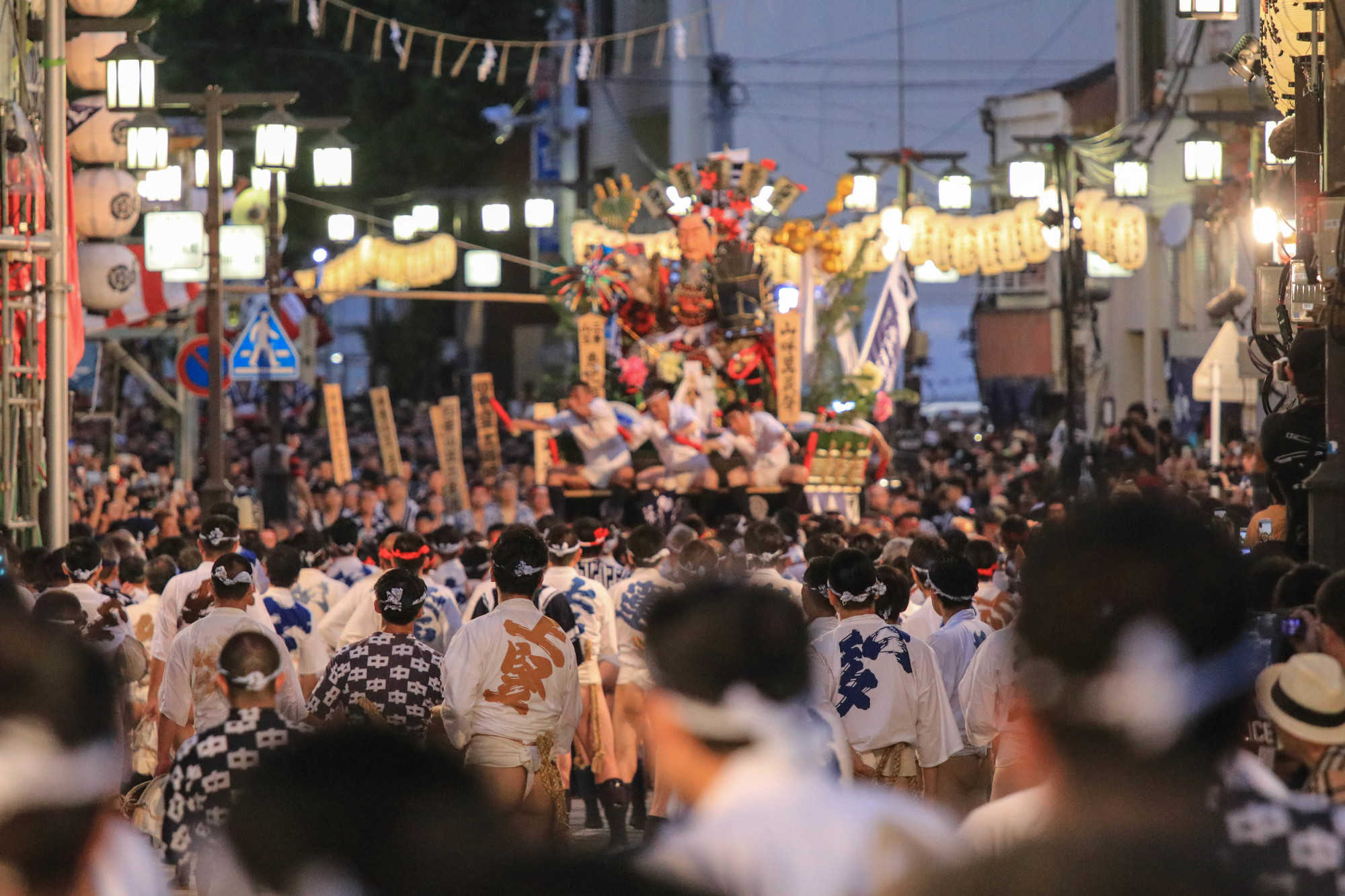
In Fukuoka, particularly in the Hakata district, the arrival of the Tanabata season coincides with the rising excitement for the upcoming "Hakata Gion Yamakasa" festival. Massive, intricately crafted "Kazari-yamakasa" (decorative floats) appear throughout the city. This season, where these floats color the city alongside Tanabata decorations, is filled with a vibrant splendor unique to Fukuoka.
July is a time when the peaceful sight of tanzaku wish strips overlaps with the heroic, powerful energy of the Yamakasa festival. Tanabata serves as the gateway to Fukuoka's summer, bringing families' wishes and the community's vitality together. Experiencing both Japan's gentle traditional culture and the electrifying energy of a major festival simultaneously is a special charm found only at this time of year.
Enjoying Tanabata Culture in Coastal Towns
Beyond Fukuoka City, you can also experience the rich Tanabata culture in Fukutsu City and Munakata City.
On Oshima Island in Munakata City, the "Oshima Tanabata Festival" takes place, a tradition that has continued since the Kamakura period. At Munakata Taisha Nakatsu-miya Shrine, which is regarded as the birthplace of the Tanabata legend, the shrine grounds are mystically illuminated by bamboo lanterns, accompanied by food stalls and stage events. At Nakatsu-miya, the Orihime Shrine (Weaver Star) and Kengyu Shrine (Cowherd Star) are enshrined facing each other across a stream called the "Milky Way," making it a historical site deeply tied to the romantic legend.
Meanwhile, at Miyajidake Shrine in Fukutsu City, the "Tanabata & Furin (Wind Chime) Festival" is held, where countless wind chimes and Tanabata decorations adorn the approach to the shrine. Enjoying the scenic beauty of a Japanese summer while feeling the gentle ocean breeze is an experience unique to Fukuoka.

Traditional Tanabata Dishes
Refreshing and cool dishes are a perfect match for the Tanabata dining table in Fukuoka. Preparing meals with seasonal seafood and summer vegetables is a beautiful aspect of Japanese food culture that celebrates the seasons. In Fukuoka, people welcome the arrival of summer with colorful dishes featuring freshly caught treasures from the sea.
Brightening the Tanabata Table with Seasonal Fish
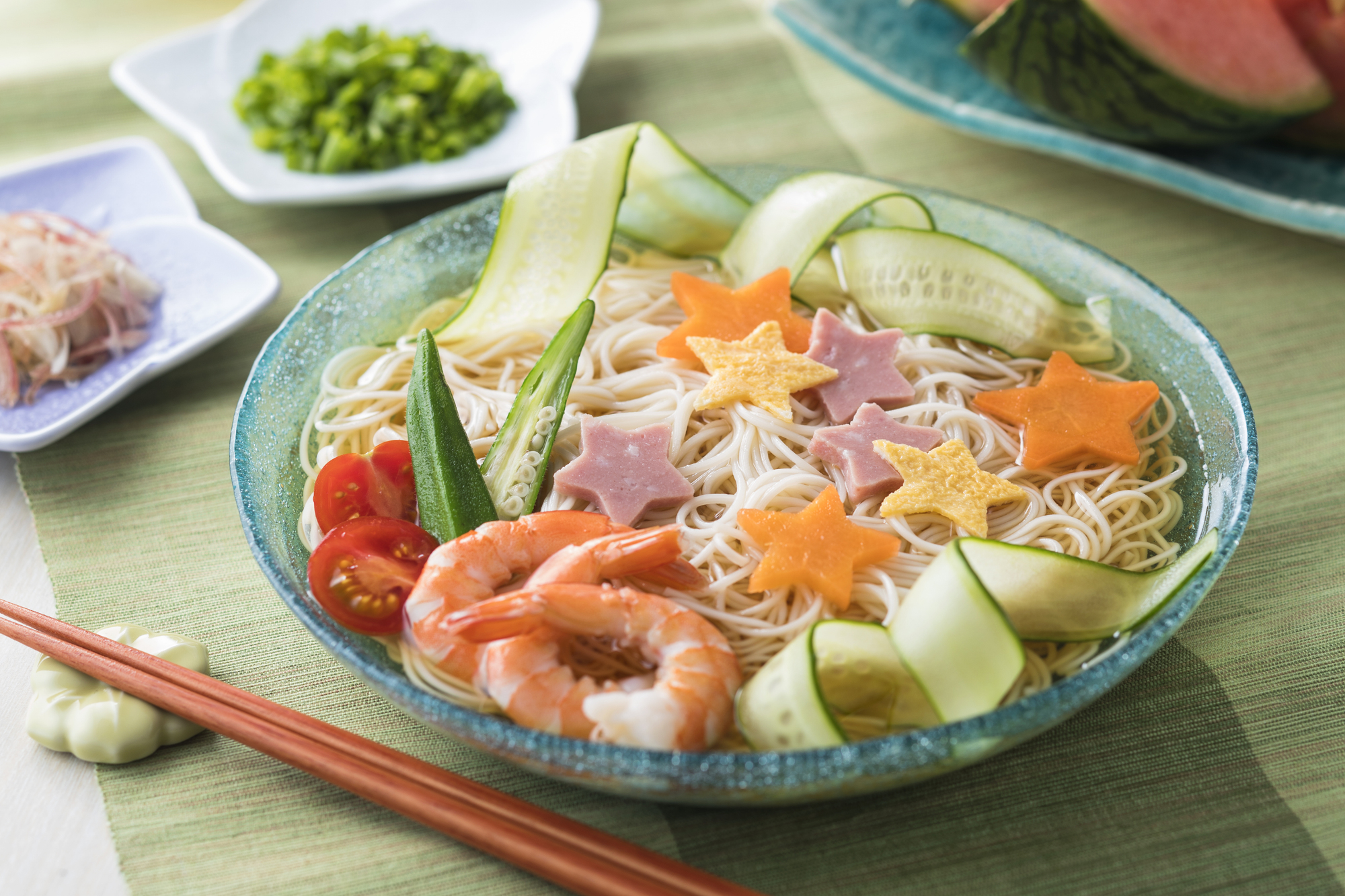
Seasonal seafood harvested from Fukuoka's bountiful waters—such as sea bream, squid, shrimp, and octopus—adds an elegant touch to the Tanabata table. Arranging dishes with star-shaped vegetables or sliced okra creates a refreshing platter reminiscent of the starry night.
These visually stunning dishes are highly popular among international travelers as a representation of Japan's unique culinary culture of "savoring the seasons."
Savoring the Bounties of Summer
During this time in Fukuoka, a delicious variety of summer seafood, including horse mackerel, thurston's scarus (Isaki), octopus, and squid, graces the dining table. Serving them as sashimi, nanbanzuke (marinated fried fish), or chilled side dishes makes them delightful and easy to eat even during the warm season.
Tanabata is a time to make wishes upon the stars and enjoy the blessings of the season. Why not experience Japan's unique summer food culture along with Fukuoka's exquisite seafood?