Hinamatsuri in Fukuoka: Brimming with Radiance and Prayer
What is Hinamatsuri?
 A Festival to Wish for the Healthy Growth of Girls
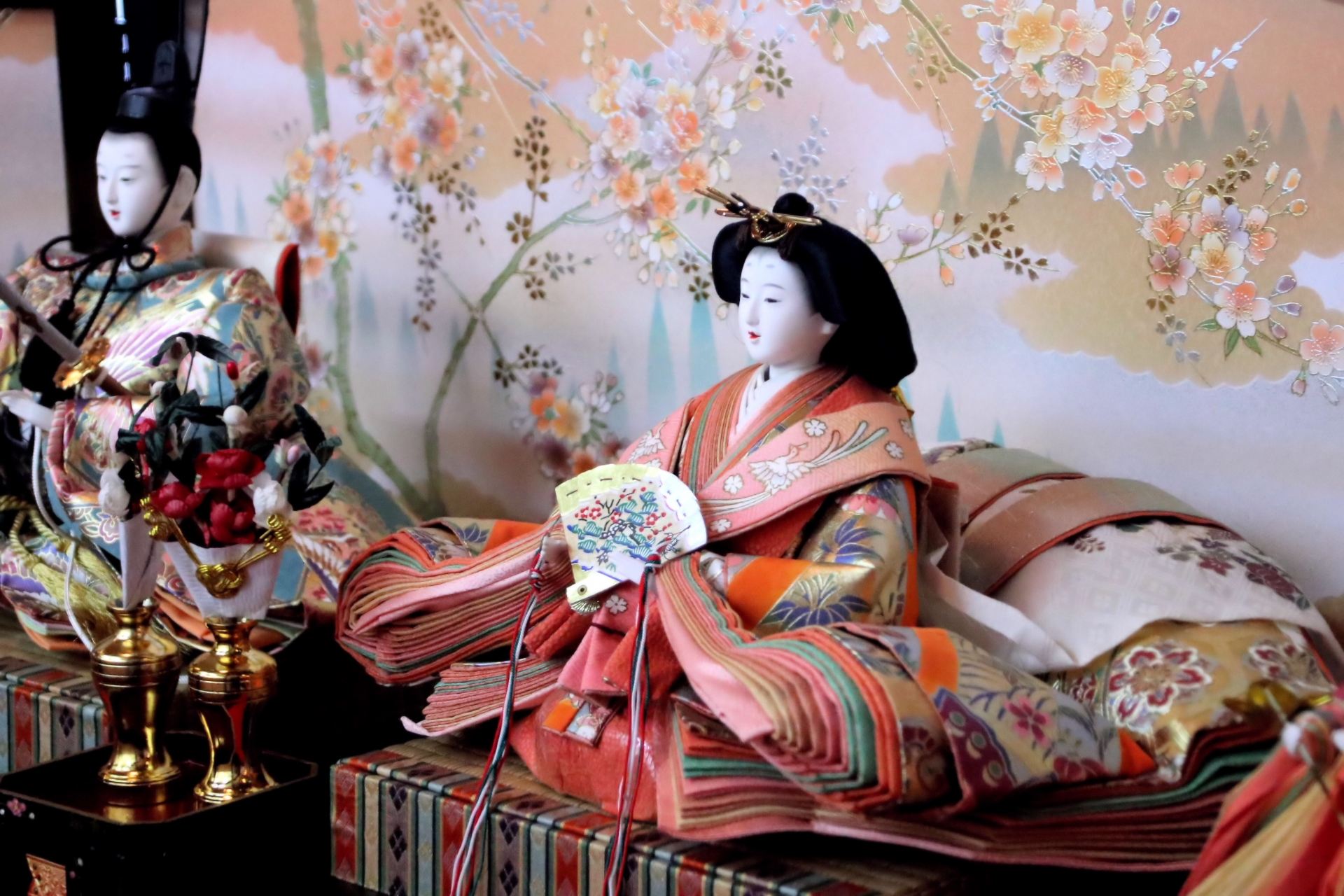
Hinamatsuri, held annually on March 3rd, is a traditional Japanese seasonal event. It has long been cherished as a day to pray for the healthy growth and happiness of young girls by displaying Hina dolls and celebrating with family. During this season, which heralds the arrival of spring, a gentle atmosphere fills the streets of Fukuoka, and the city becomes adorned with flowers and pink decorations. In the Chikugo region and Yanagawa City in particular, many look forward to Hinamatsuri with great anticipation, and the entire community is wrapped in a festive air.
 A Culture of Prayer: Entrusting Dolls with One’s Misfortunes
The origins of Hinamatsuri lie in the custom of Nagashi-bina (floating dolls), where people would transfer potential misfortunes from children onto dolls and set them afloat on a river to ensure healthy growth. Within Fukuoka Prefecture, this culture of imbued prayer has been passed down since ancient times. These dolls are not merely decorations; they have been treasured as guardians that protect children. In the "Water Capital" of Yanagawa, this spirit of prayer remains especially profound due to the town's historical and cultural connection to its waterways.
 A Spring Tradition Spreading Across Yanagawa
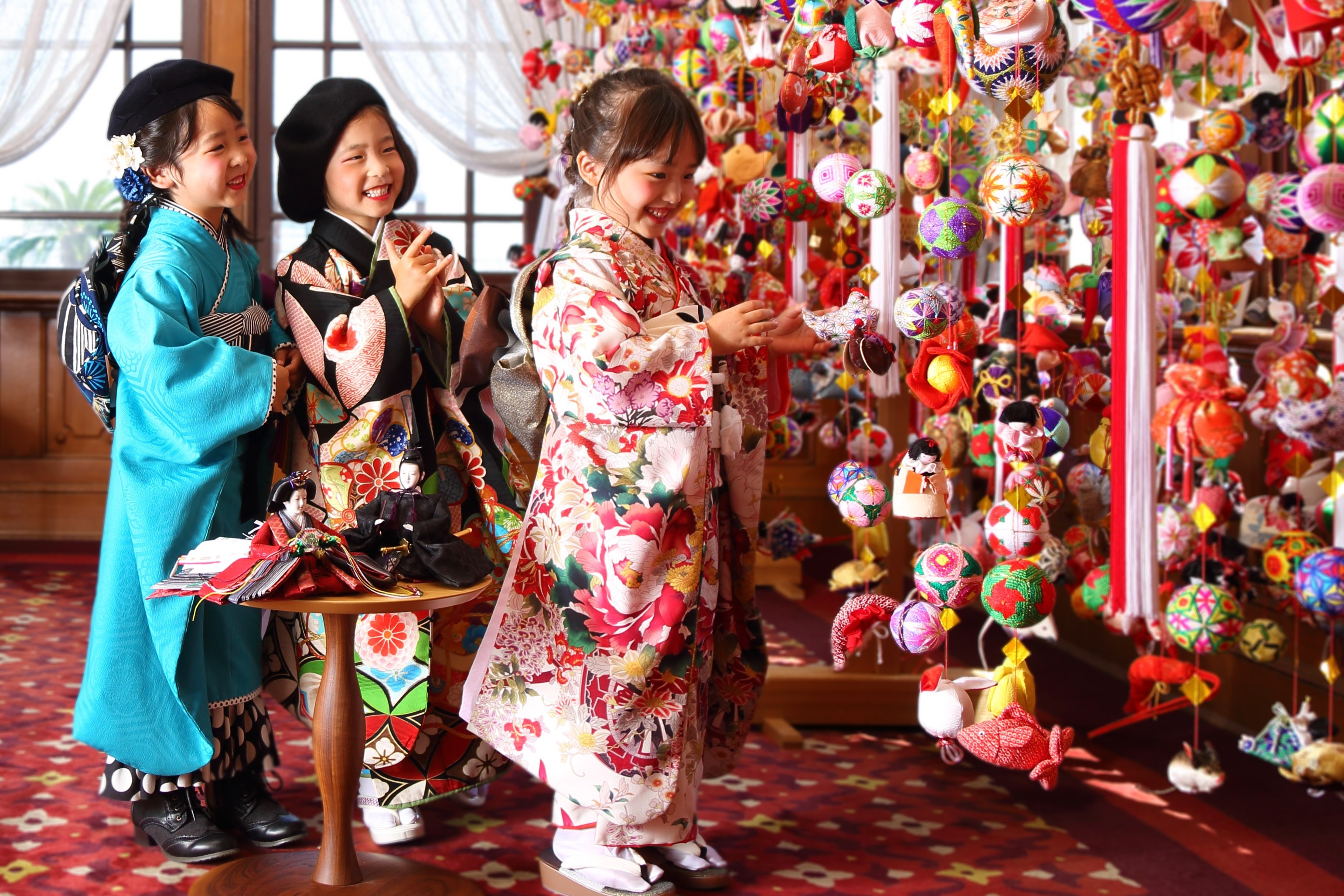
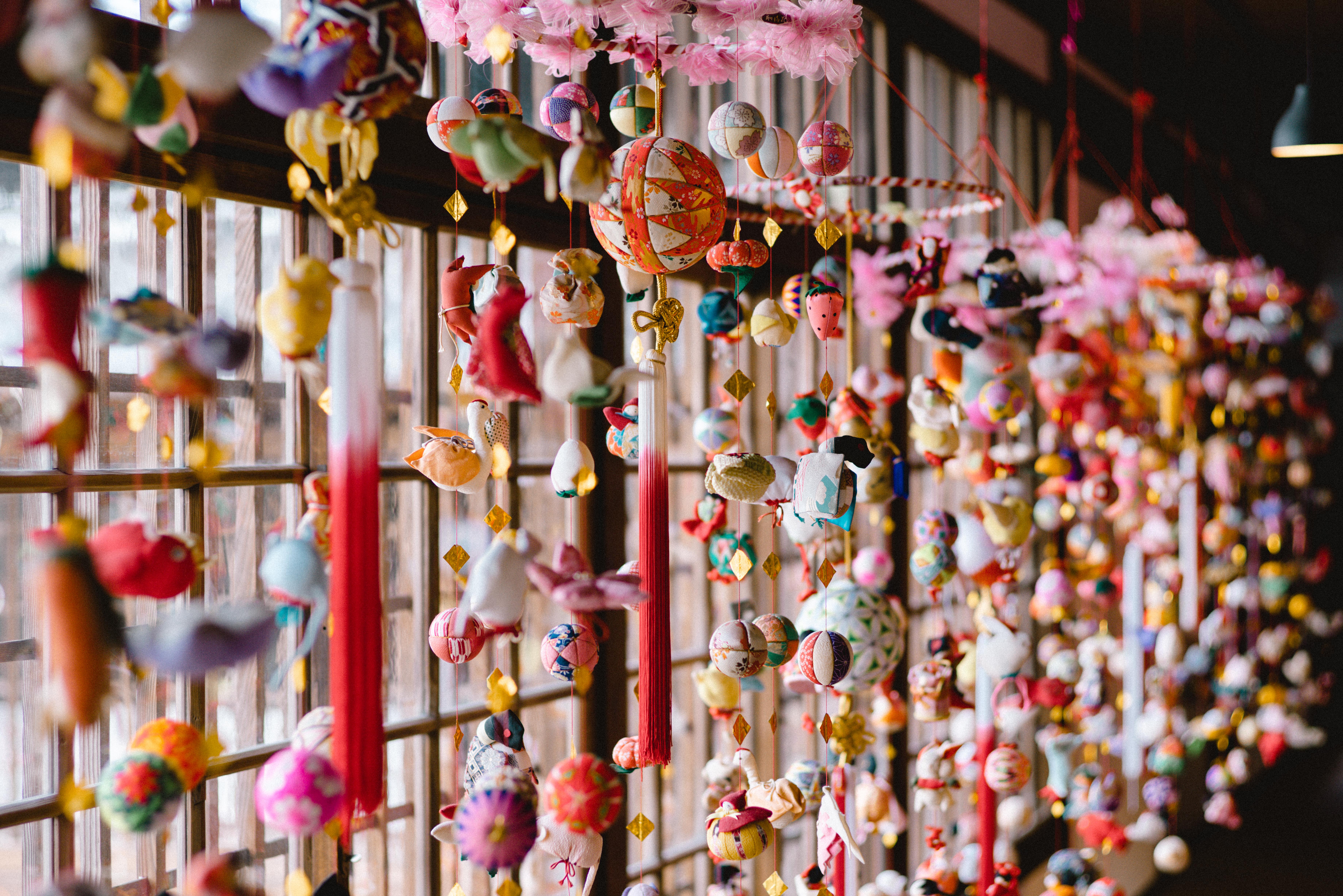
When the Hinamatsuri season arrives, Yanagawa City hosts the "Yanagawa Hinamatsuri Sagemon Meguri", and the entire town is dyed in the colors of spring. The Sagemon decorations viewed from boats during a river cruise, along with the vibrant fabric crafts displayed in merchant houses and private homes, are scenes unique to Yanagawa. These swaying decorations over the water bring warm inspiration to visitors and stand as a symbol of Fukuoka’s Hinamatsuri culture.
Traditions of Hinamatsuri
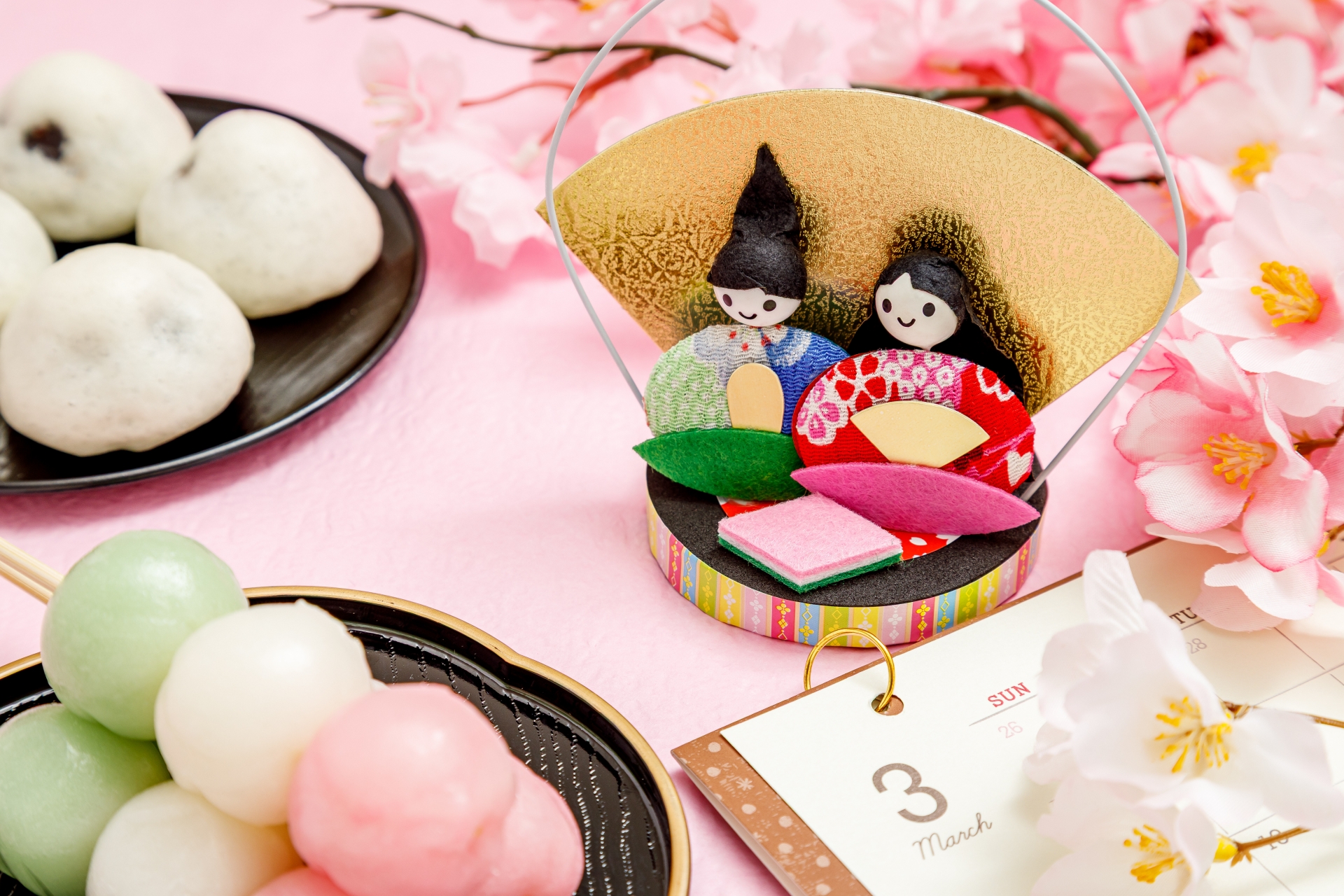
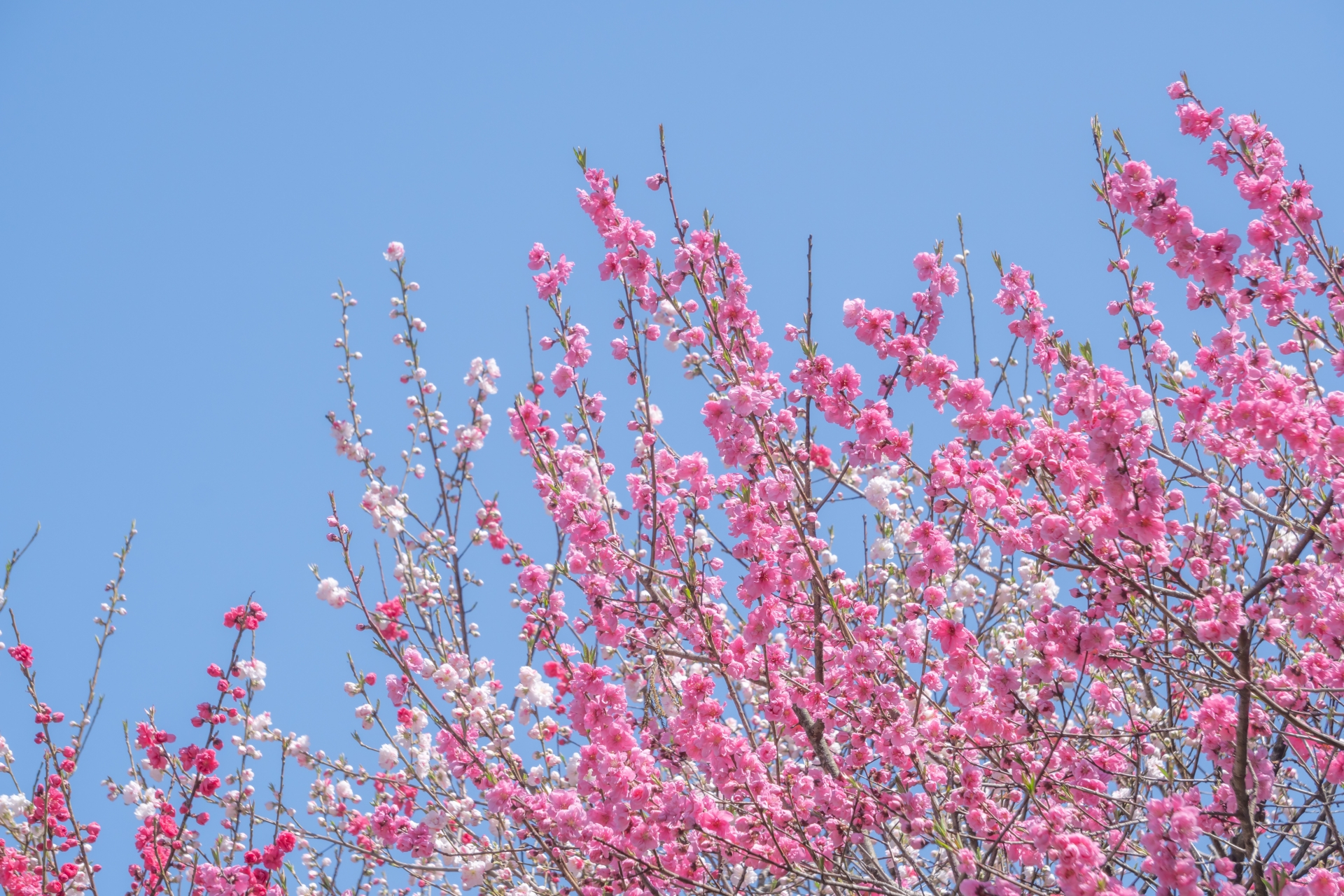
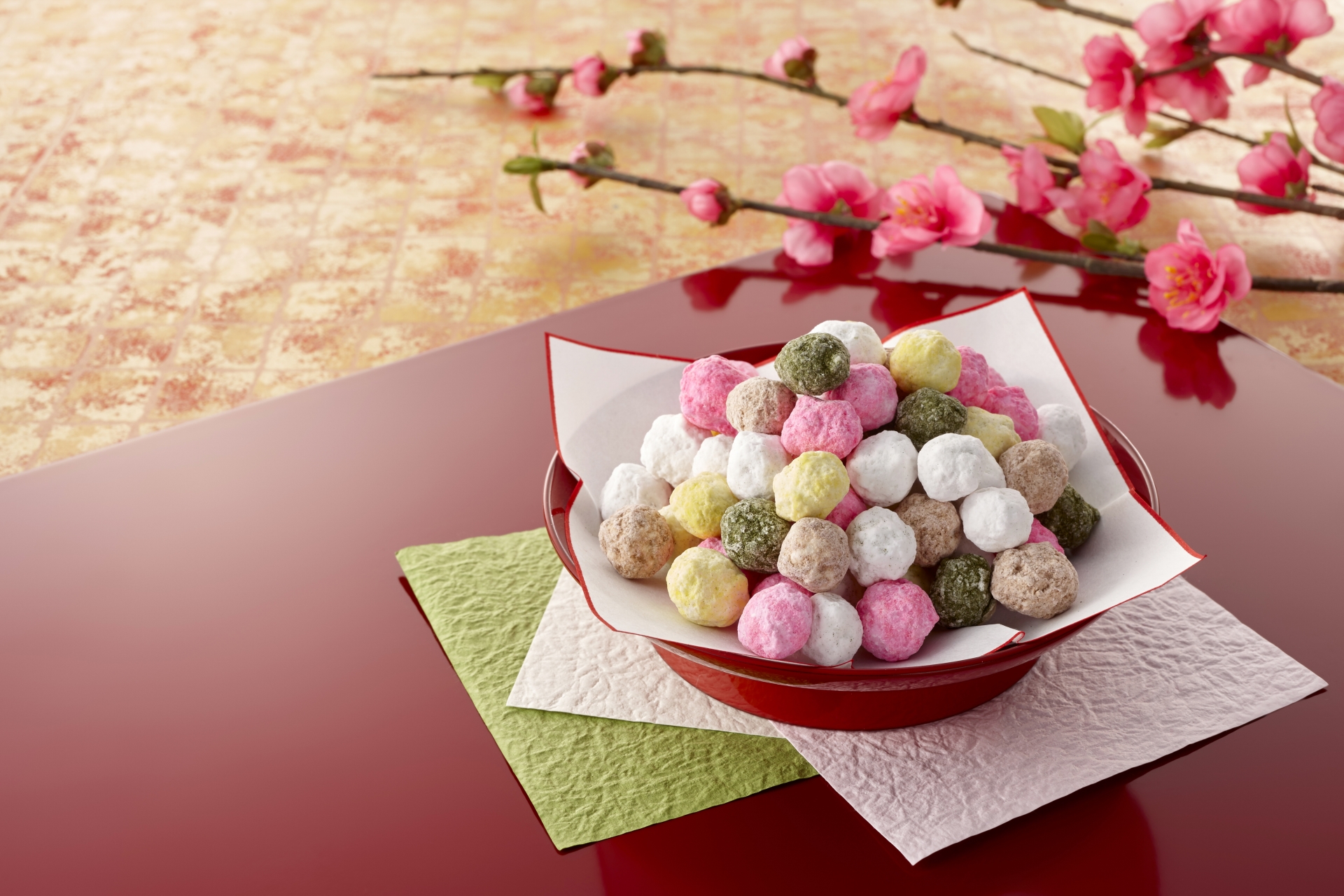
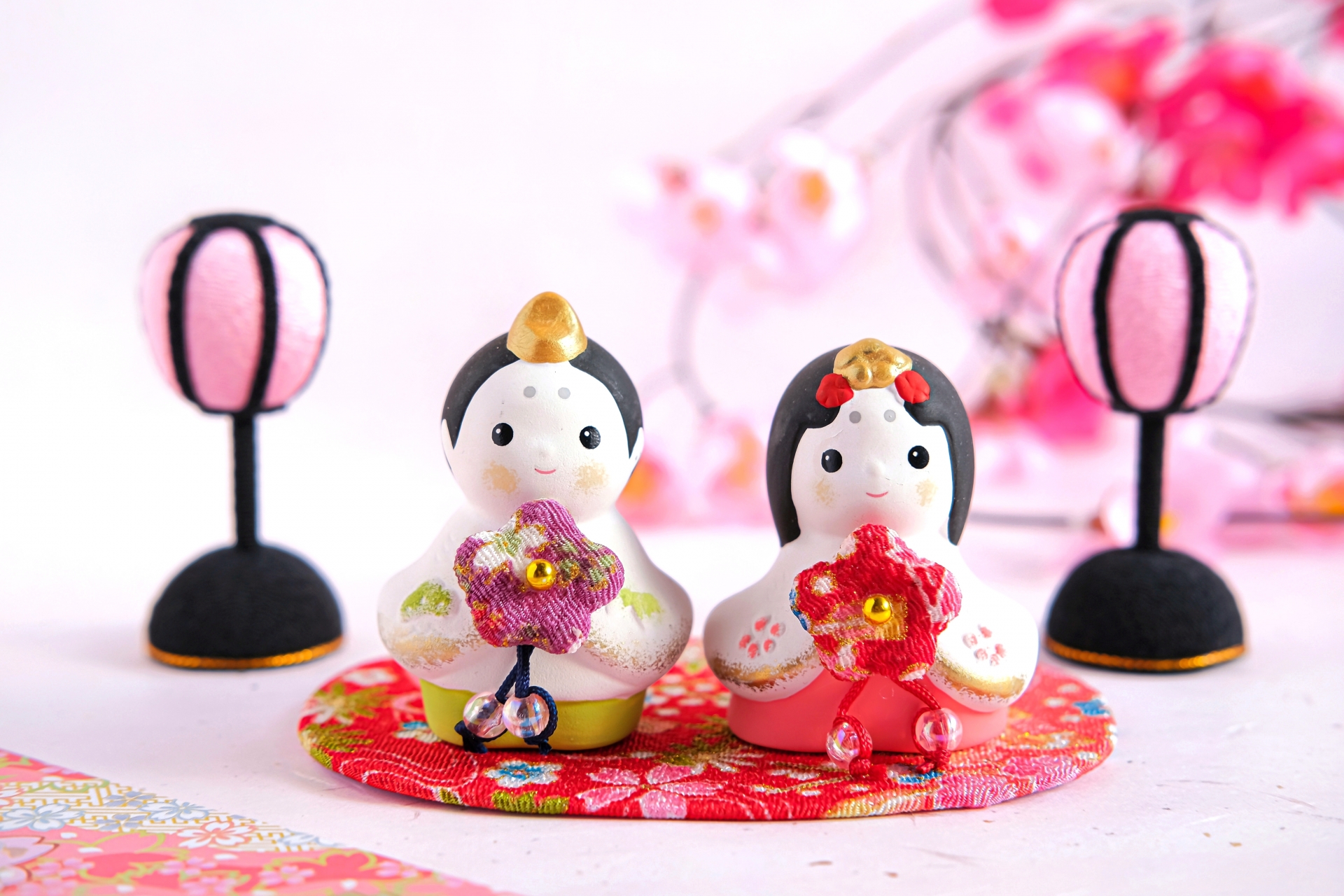
In Fukuoka’s Hinamatsuri, the celebration is prepared by displaying Hina dolls and arranging peach blossoms, hina-arare (sweetened rice crackers), and hishimochi (diamond-shaped rice cakes). Among these traditions, the "Sagemon" of Yanagawa is famous nationwide as a unique local custom. These hanging ornaments—featuring auspicious motifs like cranes, rabbits, and peaches made from colorful fabrics—are handcrafted by mothers and grandmothers wishing for their daughters' happiness. Each piece carries a specific meaning, such as "perfect health," "a good marriage," or "success in life," serving as a physical manifestation of a family's love. The Sagemon hanging on both sides of the doll stand are an essential part of the Yanagawa festival.
Traditional Hinamatsuri Cuisine
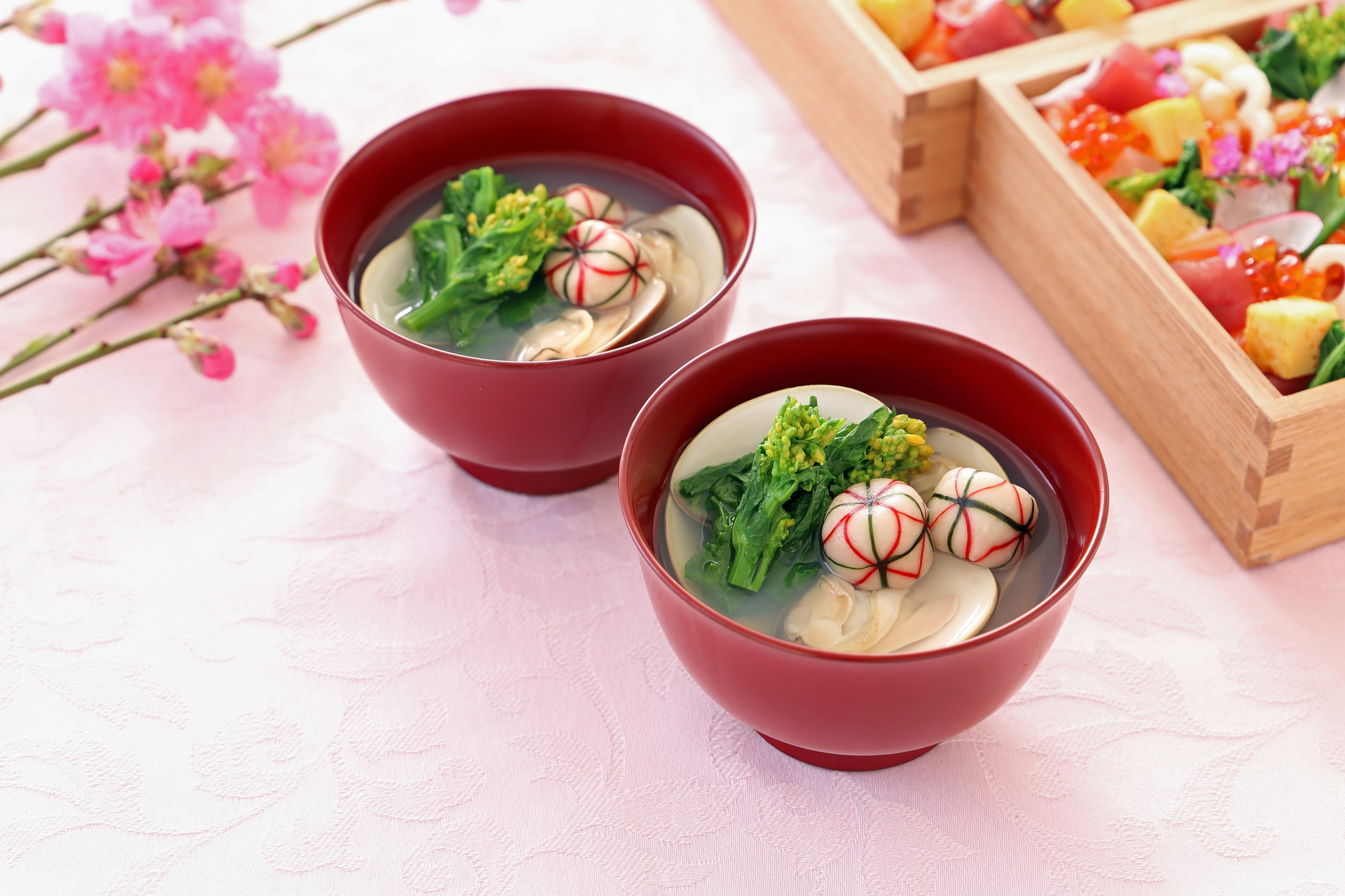
During Hinamatsuri in Fukuoka, the dining table is brightened with visually stunning dishes. Seasonal delicacies such as Chirashi-zushi (scattered sushi), clam soup, and dishes featuring canola blossoms are essential feasts to celebrate a girl's growth. Being blessed with abundant seafood, many Fukuoka households also serve dishes featuring shrimp or sea bream. The use of colorful ingredients creates the quintessential festive brilliance of Hinamatsuri.
Furthermore, in Yanagawa and the broader Chikugo region, the tradition of enjoying amazake (sweet rice drink) and Japanese sweets remains strong. Handmade confections and limited-edition Hinamatsuri treats are vital for welcoming family and guests. The spirit of feeling the seasons through food and wishing for a child's growth lives on in Fukuoka today.
Hinamatsuri, celebrated alongside the arrival of spring, is an event where family affection and regional culture intertwine. As symbolized by Yanagawa’s Sagemon, Hinamatsuri in Fukuoka is a warm and radiant traditional event that has been passed down as a tangible expression of people’s heartfelt wishes.