Fish and Tradition Bring Color to Fukuoka’s New Year
What Is Oshogatsu?
 A Celebration of the Year’s Beginning
The New Year, or Oshogatsu, is the most important annual celebration in the Japanese calendar, marking the beginning of a new year. It is a time when people pray for health and happiness in the year ahead, gather with family, and welcome the season in a calm and solemn atmosphere unique to Japan.
In Fukuoka, many people return home during the year-end and New Year holidays. Bustling areas such as Hakata Station and Tenjin are filled with an air of excitement and anticipation as the city prepares to welcome a fresh start.
 A Sacred Time to Welcome the Toshigami
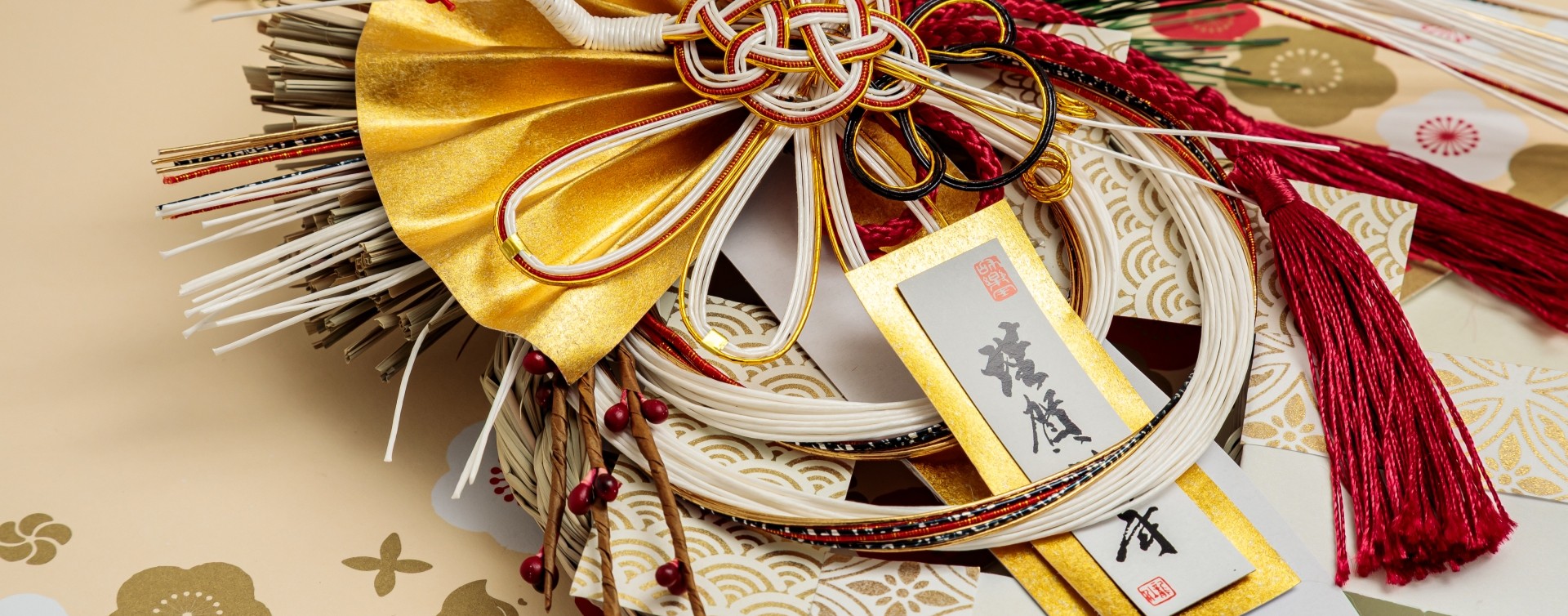
shimenawa
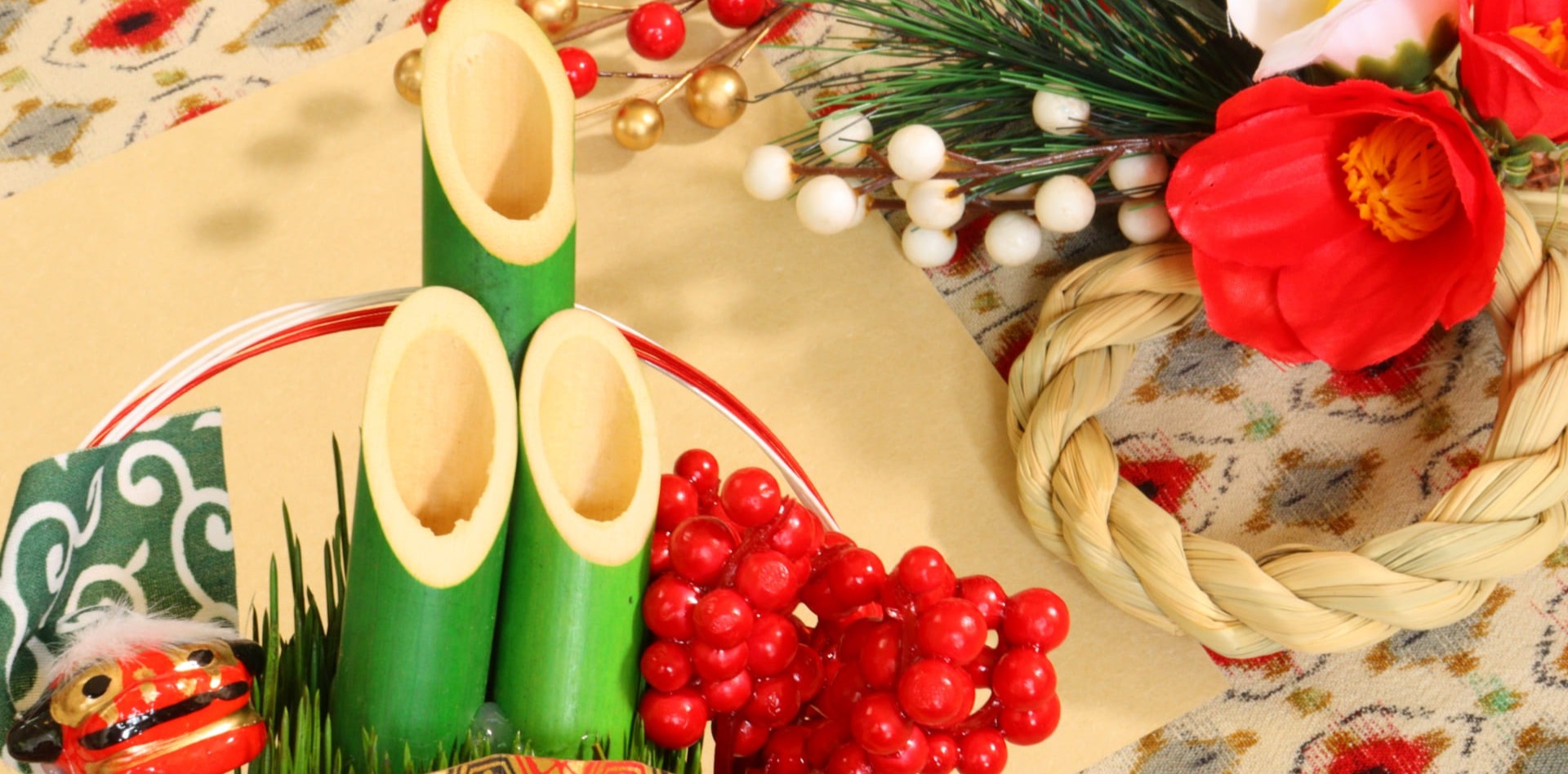
The New Year is also a sacred period dedicated to welcoming the Toshigami, the deity believed to bring good fortune and abundant harvests for the year. In households across Fukuoka, traditional decorations such as kagamimochi (decorative rice cakes) and shimenawa(sacred straw ropes) are displayed, and many people visit local shrines for hatsumode, the first shrine visit of the year.
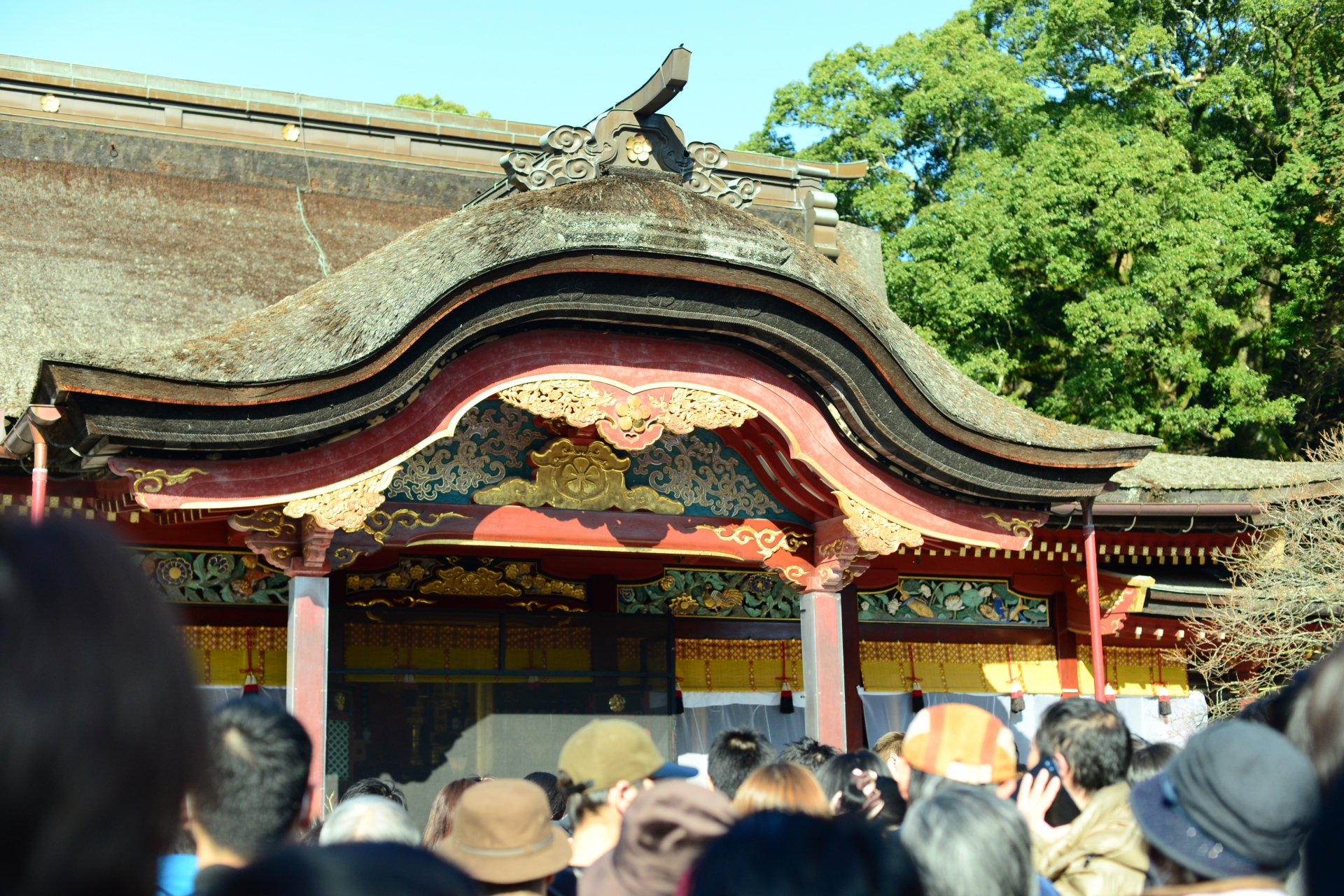
Historic shrines such as Hakozaki Shrine and Dazaifu Tenmangu attract especially large crowds, becoming iconic symbols of the New Year season in Fukuoka. Traditions of prayer passed down since ancient times continue to live on in the city today.
 A Season Filled with Scenes Unique to Fukuoka
During the New Year, the streets of Fukuoka grow even more vibrant. Shopping arcades are adorned with festive decorations, while in coastal areas known for their fishing industries, markets are lined with fresh seafood to celebrate the start of the year.
Blessed with the bounty of the sea, Fukuoka’s New Year offers a special opportunity to reconnect with nature and rediscover the deep ties between people and their natural surroundings.
Traditions of Shogatsu
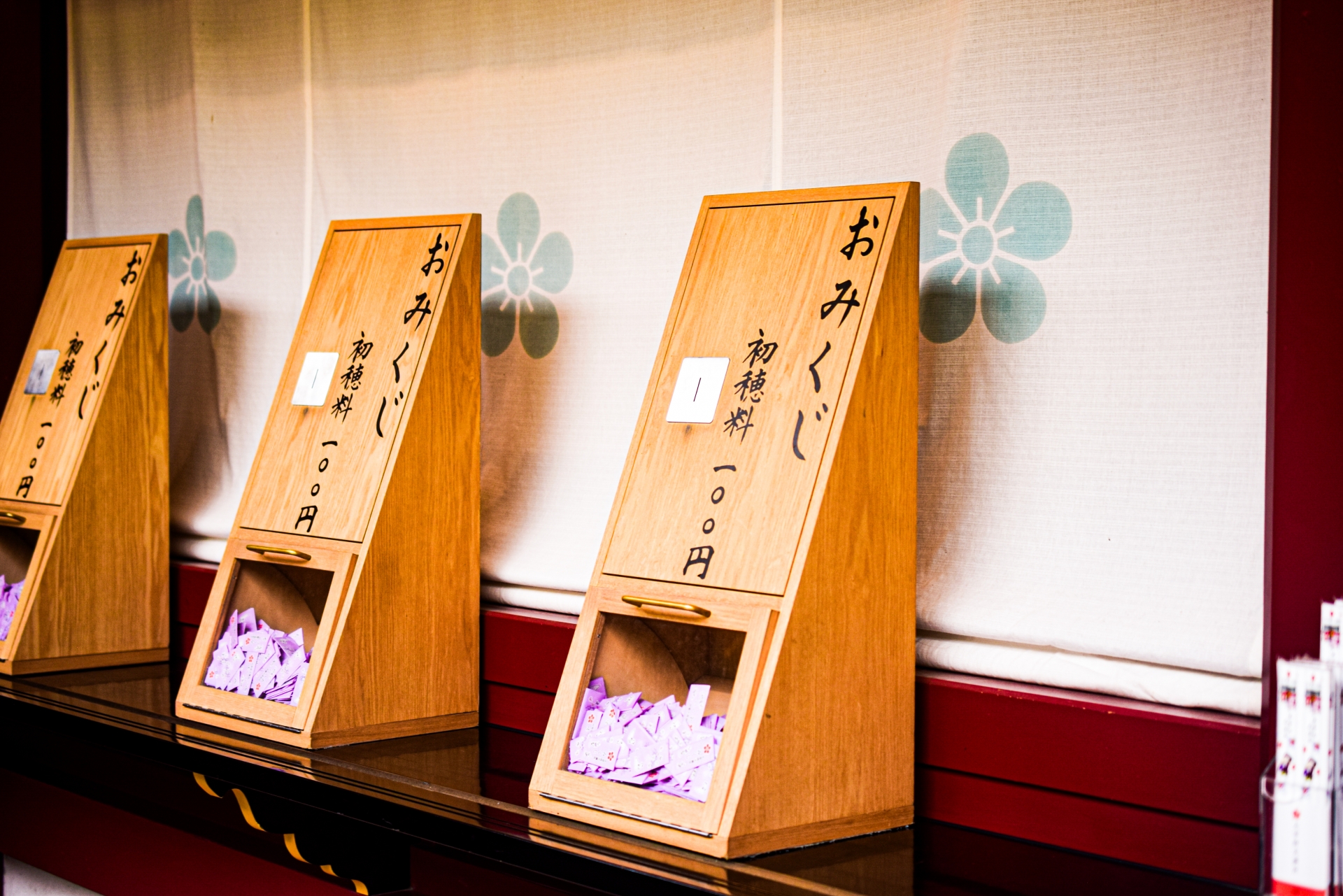
Fukuoka offers many highlights rooted in Japan’s traditional New Year customs. Alongside decorations such as shimenawa (sacred straw ropes), kadomatsu (pine arrangements), and kagamimochi (decorative rice cakes), the New Year’s shrine visit, known as hatsumode, is an especially important tradition for the people of Fukuoka.
Dazaifu Tenmangu and Hakozaki Shrine welcome visitors from across Japan, and their grounds come alive with festive food stalls, creating a vibrant and lively New Year atmosphere.
Blessed with the bounty of the sea, Fukuoka is also known for its strong tradition of enjoying the year’s first seasonal catch. Tasting fresh fish landed in the Genkai Sea at the start of the year is one of the customs that symbolizes the New Year in Fukuoka. Deep gratitude for nature and hopes for prosperity in the year ahead are closely intertwined with the region’s rich seafood culture.
Traditional Shogatsu Cuisine
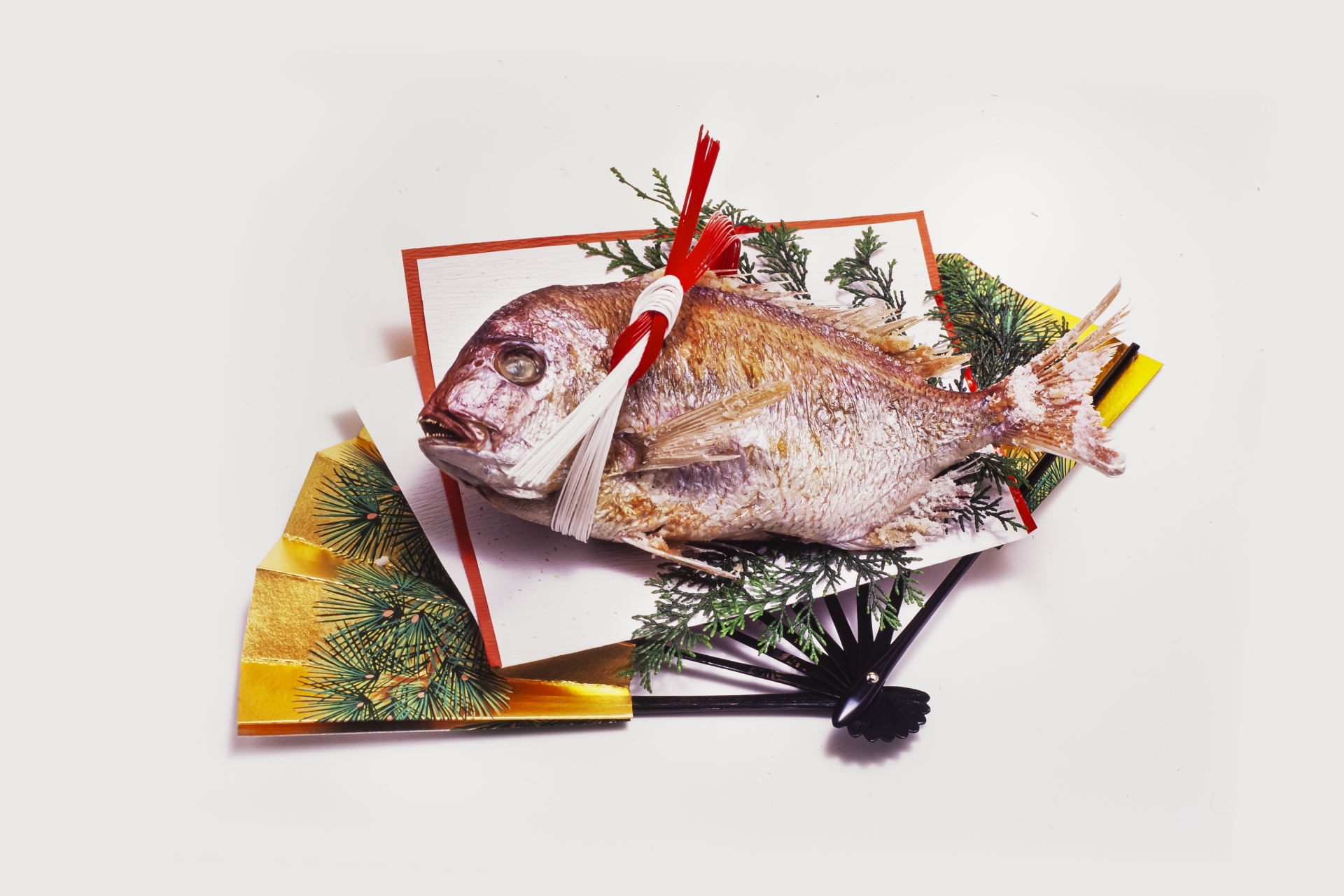
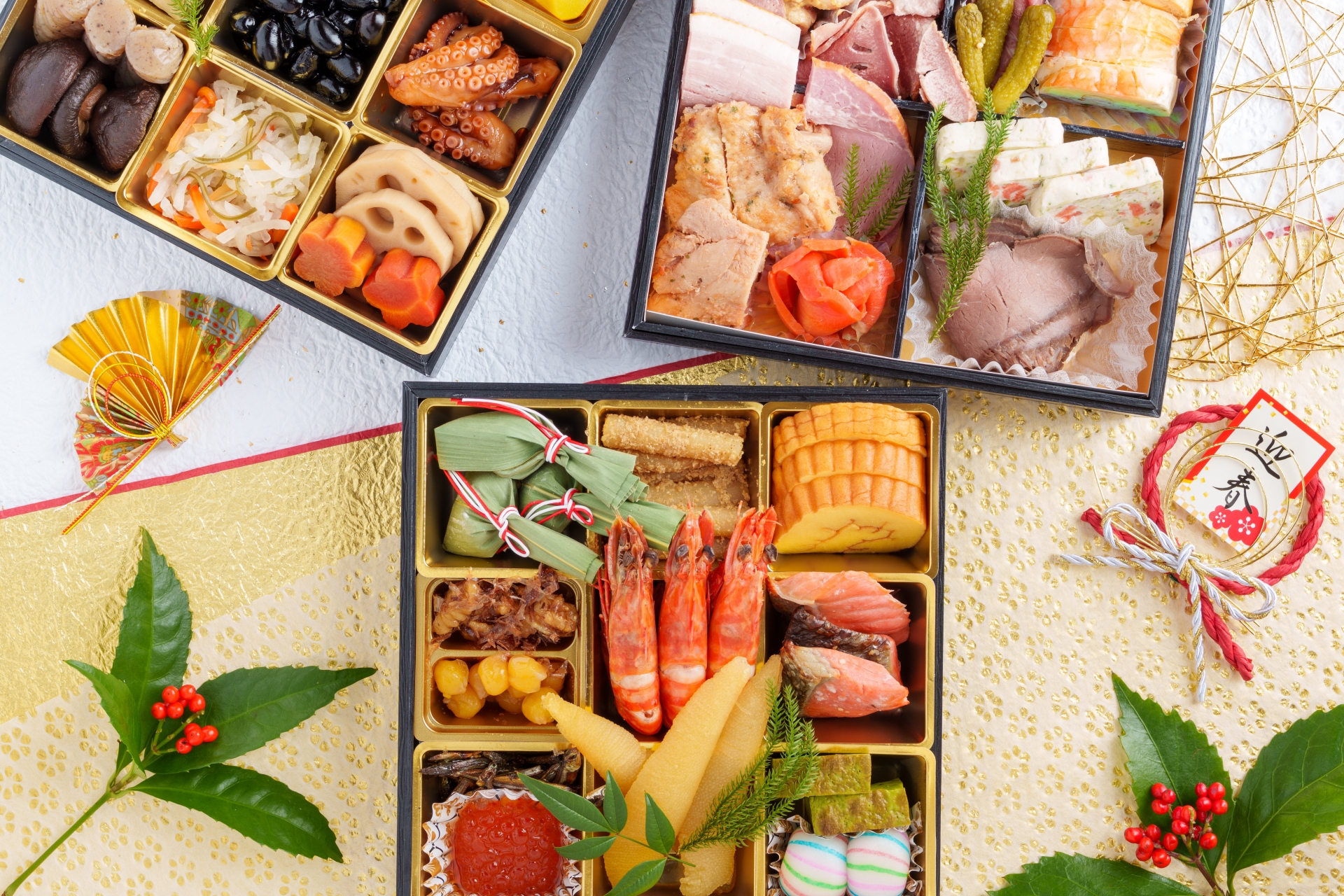
Seafood plays an essential role in Fukuoka’s New Year cuisine. Alongside traditional auspicious dishes such as kombu-maki (kelp rolls), kazunoko (herring roe), and sea bream, fresh seafood harvested from the Genkai Sea adds vibrant color and richness to Fukuoka’s osechi dishes.
Sea bream, in particular, holds special significance, as its name echoes the word medetai, meaning “joyous” or “auspicious.” At local markets, beautifully sized wild sea bream prepared for the New Year can be seen in abundance.
Another distinctive New Year dish enjoyed in many households is buri-zoni, a traditional soup made with locally sourced yellowtail. Long regarded as a symbol of good fortune, yellowtail enhances the broth with deep umami, creating a rich and satisfying variation of zoni. This dish is unique to regions like Fukuoka, where fresh seafood is an integral part of everyday life.
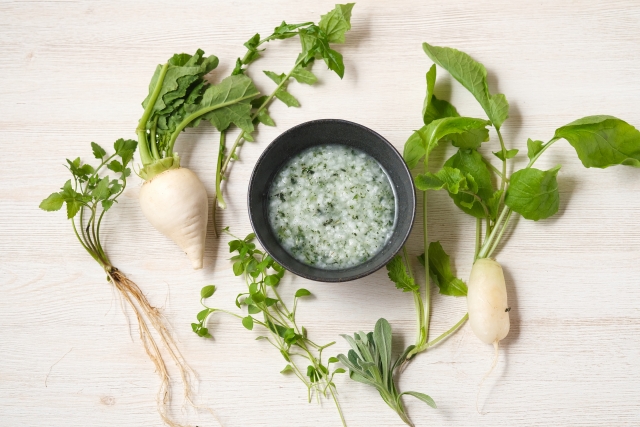
To conclude the New Year’s festivities, one dish is considered indispensable: nanakusa-gayu, or seven-herb rice porridge. Eaten on January 7, this gently flavored porridge is believed to promote good health while also soothing the stomach after days of festive seafood and osechi dishes.
This custom dates back to ancient times and is associated with Jinjitsu no Sekku, one of Japan’s five traditional seasonal festivals, dedicated to praying for health and longevity in the year ahead. In Fukuoka, families enjoy their own variations of nanakusa-gayu, passing down this tradition as part of the region’s living food culture.
Rooted in life by the sea, Fukuoka’s New Year cuisine is truly a feast that weaves together nature’s bounty and time-honored tradition. The custom of welcoming the New Year through seafood continues to be deeply embedded in the daily lives of the people of Fukuoka.